
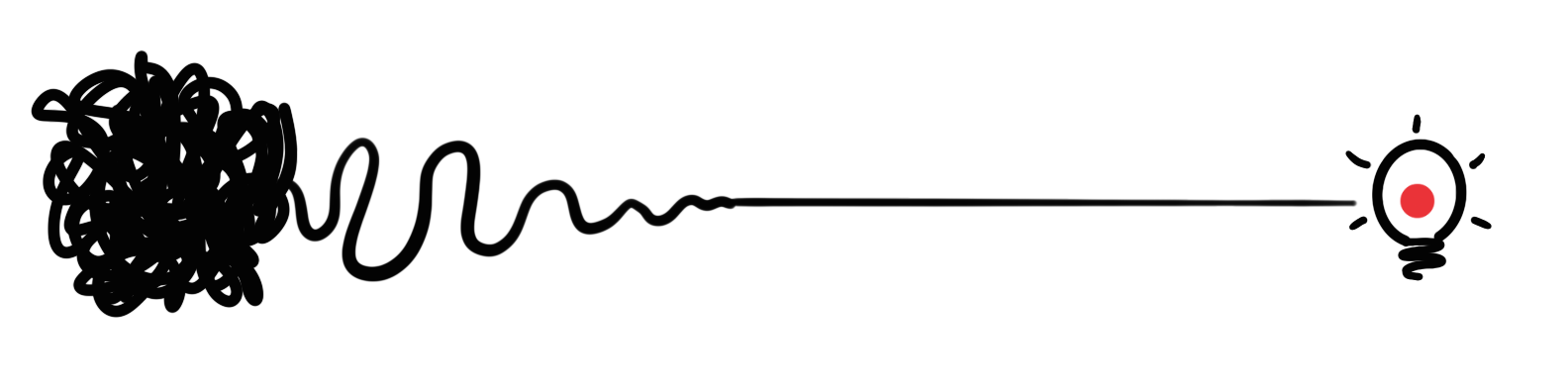
Stressed, overwhelmed, anxious about exams…

Works hard but doesn't know where to start
Revises but nothing seems to stick
Loses confidence as exams get closer
Struggles to manage the volume of work
Does this sound like your child?
Schools teach what to learn.
Rarely how.
When students learn how to organise their thinking, manage their workload and make information stick, everything changes.
I know this world from both sides…
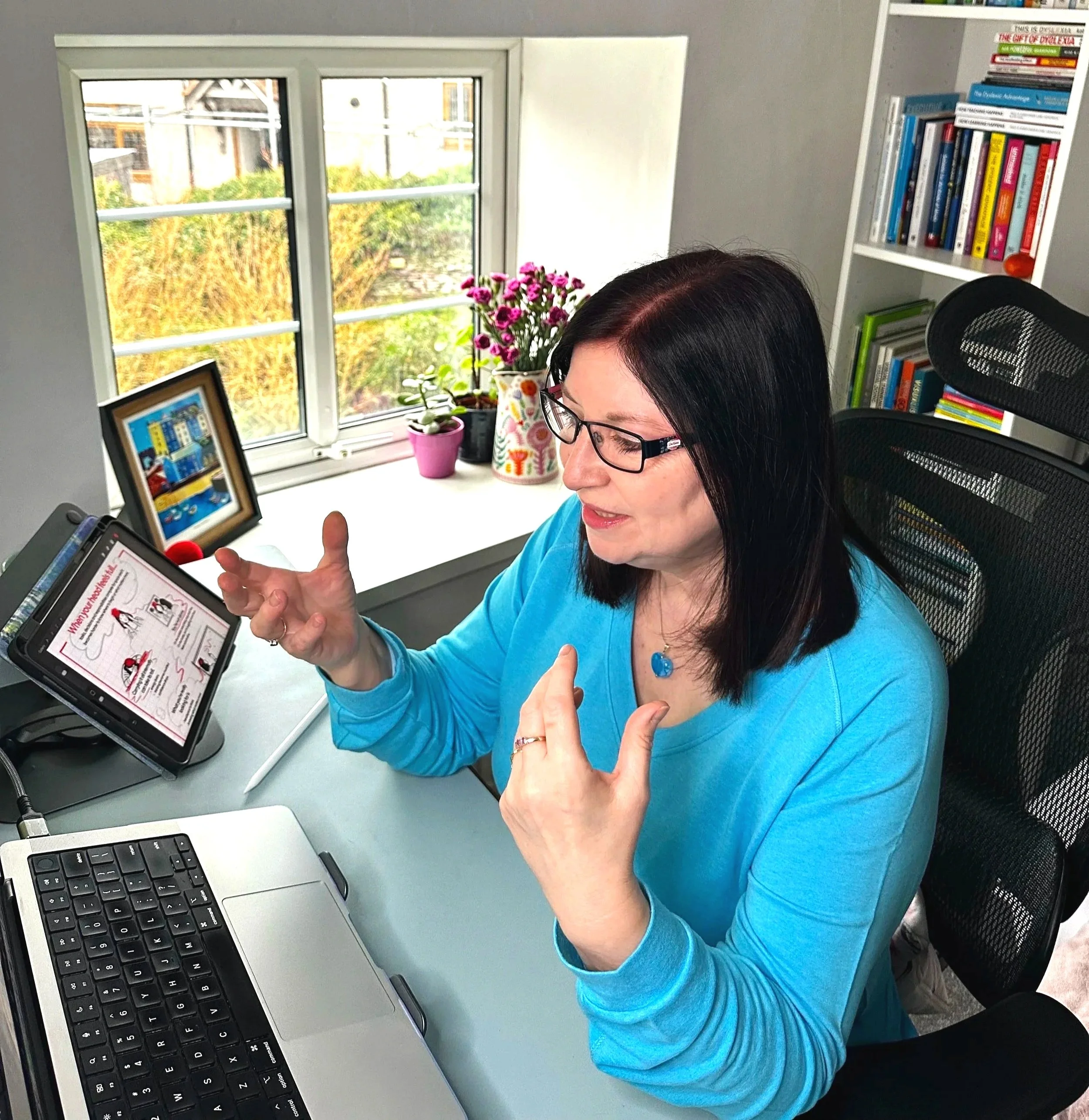
As a teacher for over 30 years and a mum who watched her own son struggle with the demands of studying, I understand how frustrating it can feel when a bright, hardworking student just can't seem to make things stick.
My Masters research into visual and spatial strategies for memory gave me the tools.
My son gave me the why.
I always work in a calm, compassionate way that helps students feel safe enough to be honest about where they're struggling and motivated enough to want to change it.
Students gain practical tools they can apply independently across subjects and beyond our sessions.

Schedule a short call to discuss your child’s academic goals and how structured coaching can support their learning and exam preparation.
Testimonials
-
Before I started working with Nicki, I lacked an important part of education; a plan. I felt lost in terms of how to even start, how I could build habits of getting my work done in time, and to a good quality. My sessions with Nicki were able to help build a routine, as well as her being extremely supportive and helpful to me, in such an stress-inducing time of High School.
-G
-
I was getting 3's (out of 7) then I made visual flashcards on the topics I didn't know so well in Geography and I started getting 6's in my Internal exams.
-E
-
Nicki’s genuine warmth and care shine through every interaction. My daughter looks forward to sessions with Nicki because she feels supported in developing study habits and plans that reduce feelings of anxiety. The co-construction process gives her a voice in deciding when and how to work on subjects that require review. Nicki has empowered my daughter with strategies and tools that she will use beyond high school into her life at university. She is a key component of my daughter’s success.
-K parent
-
I have found out about some very interesting study methods that I have never heard before, which is very valuable. Thank you!
-A
-
Using visuals within my revision was new to me and I was astounded at what a difference it made to my memory
-M
-
Nicki's knowledge, expertise and experience produced an incredibly useful "how to study" course for UWCSEA students studying the IBDP. Digging into cognitive science, effective learning strategies and her own research, Nicki made the course fun, engaging and genuinely helpful for hundreds of students, which will turn into thousands in years to come. Her professionalism and flexibility was very much appreciated, and she was (and still is) a valuable partner for the college. Thank you Nicki!
- Tim Lovatt
-
I just wanted to say a huge thank you for all your support of S this year. I know she has felt more prepared and organised thanks to your help. I am so pleased she had managed to get through exams knowing she has done the best she could.
-K
-
Nicki is simply the best. I was lucky enough to be tutored by her and her influence has been a lasting legacy, kind, compassionate, talented, driven, motivating, there just aren’t enough superlatives to describe her. NiH Consultancy is destined to succeed, as will anyone who entrusts Nicki to advise them.
-T
-
Thank you for helping me improve my studying habits!
-S
-
Visualisations impact my learning quite significantly. They make the memorisation process more interesting while aiding me in drawing new connections between existing concepts. Visualisations have taught me that there is more than one way of looking at a particular concept, and that a particular subject can be connected to so many others, if one only takes the time to look.
- C
-
Making connections between words and images has helped me remember things better
- I
-
I learn much better with visuals. It helps me contextualise information much better. When I read text, I have to process the infromation and translate it into a mental concept I can understand. When I am presented with a visual, the processing is much easier and quicker.
- A